Transform Through Dance Therapy Sessions
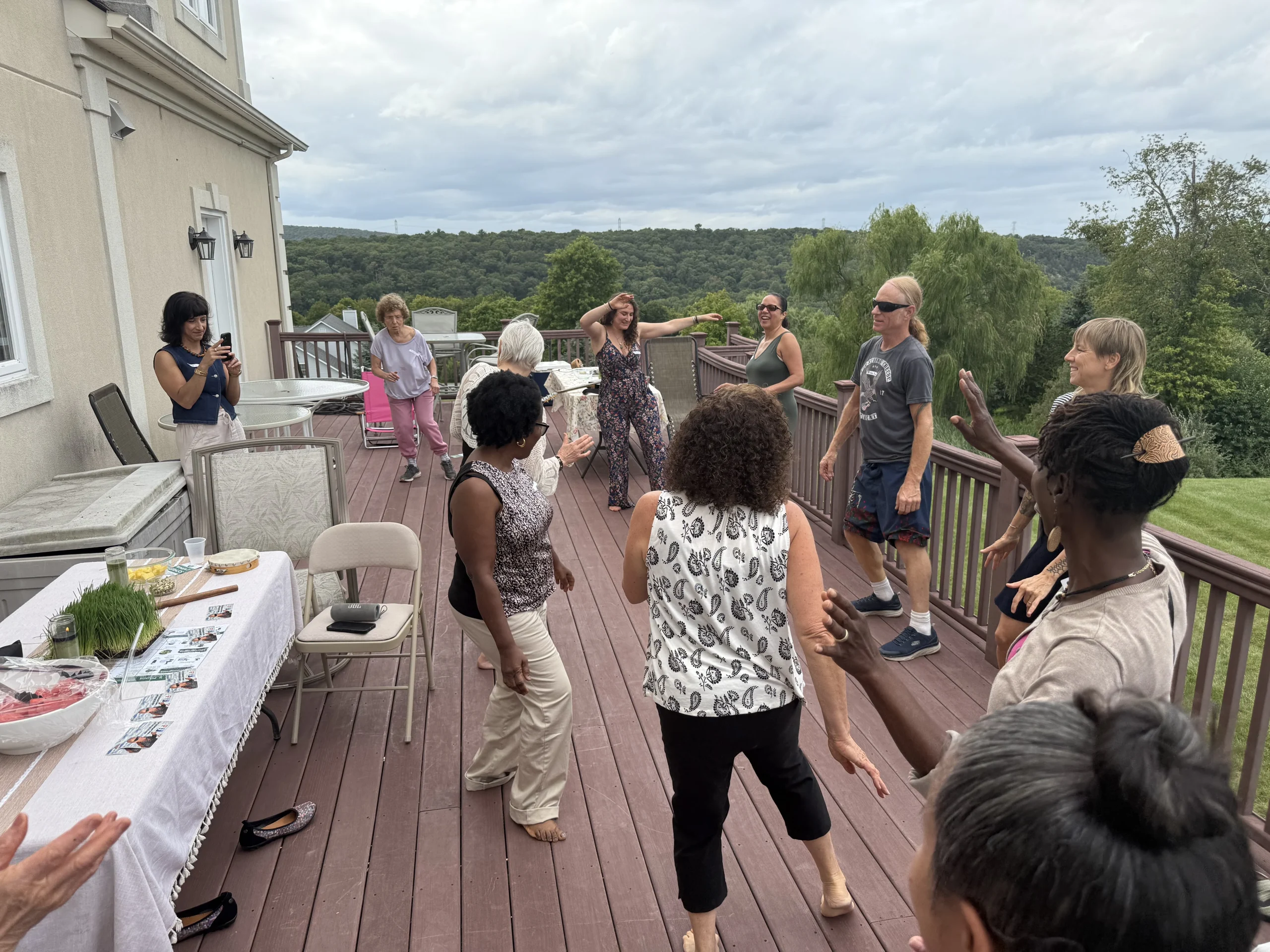
Dance therapy, also known as dance movement therapy (DMT), is a form of expressive therapy that utilizes the art of dance to assist individuals in achieving physical, emotional, cognitive, and social integration. Unlike other forms of therapy that primarily focus on verbal communication, dance therapy leverages movement as a medium for personal and emotional expression. It is an effective therapeutic modality that has been embraced by diverse populations, helping individuals transform their lives by healing and exploring their inner selves through movement. Dance therapy sessions provide a safe and nurturing environment where participants can transcend words and tap into their intrinsic creativity and emotions.
Understanding Dance Therapy
Dance therapy is a holistic approach that acknowledges the connection between the mind and body. It is based on the premise that movement reflects an individual?s emotional and psychological state. By engaging in dance, individuals can:
- Express emotions that are difficult to articulate verbally.
- Enhance self-awareness and self-esteem.
- Improve body image and increase body awareness.
- Promote relaxation and stress reduction.
- Facilitate emotional release and healing.
Dance therapy sessions are typically led by trained professionals who guide participants through a series of movements and exercises tailored to their needs. These sessions can be conducted in various settings, including hospitals, schools, rehabilitation centers, and private practices. Read more about this topic to understand the foundational principles of dance therapy.
Benefits of Dance Therapy
Dance therapy offers numerous benefits that can contribute to overall well-being:
Emotional Benefits
Engaging in dance therapy can significantly impact an individual’s emotional health. It allows for the safe expression of feelings and emotions, which can lead to better emotional regulation. Participants often experience:
- Increased emotional release and catharsis.
- Improved mood and reduced symptoms of anxiety and depression.
- Greater emotional resilience and coping mechanisms.
By allowing individuals to express their innermost feelings through movement, dance therapy can be a powerful tool in managing emotional challenges. Explore further insights here about how dance therapy impacts emotional health.
Physical Benefits
The physical aspect of dance therapy is equally vital. Regular participation can lead to:
- Improved cardiovascular health and endurance.
- Enhanced flexibility, strength, and coordination.
- Better balance and posture.
Dance therapy encourages physical activity, which is essential for maintaining physical health and preventing chronic diseases. Find additional information here on the physical benefits associated with dance therapy.
Applications of Dance Therapy
Dance therapy is versatile and can be applied across various contexts and populations. Some common applications include:
Clinical Settings
In clinical settings, dance therapy is used to support individuals dealing with mental health issues, such as depression, anxiety, trauma, and eating disorders. It complements traditional therapeutic approaches and provides a unique avenue for healing. Learn more in this detailed guide about its application in clinical settings.
Educational and Community Programs
Dance therapy is also implemented in schools and community programs to enhance social skills, foster creativity, and improve group dynamics. These programs often cater to children and adolescents, promoting healthy social interaction and emotional growth. Explore further insights here into its role in educational and community settings.
Conclusion
Dance therapy is a dynamic and empowering form of therapy that leverages the innate power of movement to foster personal growth and healing. Its numerous benefits span emotional, physical, and social domains, making it a valuable tool for individuals seeking holistic well-being. By participating in dance therapy sessions, individuals can unlock new paths to understanding themselves and overcoming personal challenges. For those interested in exploring this transformative therapy, engaging with professional dance therapists and becoming part of a supportive community can be a significant first step towards transformation. Read more about this topic to delve deeper into the world of dance therapy.
