Streamlining Operations with an Effective MSP Stack
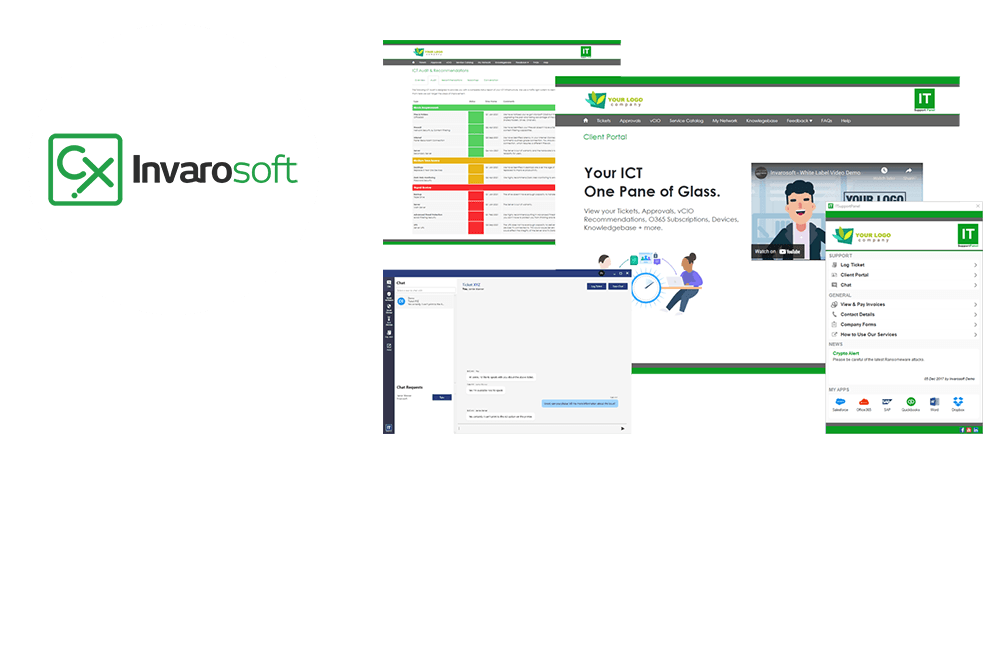
In the rapidly evolving landscape of information technology, Managed Service Providers (MSPs) stand as pivotal players helping businesses streamline their operations. The intricate demands of IT management require a comprehensive and strategic approach, which is where an effective MSP stack becomes indispensable. By optimizing the utilization of software, tools, and processes, MSPs can significantly enhance their service delivery and operational efficiency. An optimized MSP stack ensures seamless operations, improved client satisfaction, and sustainable growth for businesses relying on managed services.
The Importance of an MSP Stack
An MSP stack refers to the collection of software tools and processes that a managed service provider uses to deliver services to their clients. A well-structured msp stack is crucial for several reasons:
- Efficiency: Integrating various tools within an MSP stack can streamline workflows, reduce redundancy, and improve overall productivity.
- Scalability: A robust stack allows MSPs to scale their operations seamlessly as they acquire more clients or as their clients’ needs expand.
- Security: Ensuring that the stack includes security tools helps protect both the MSP and their clients from potential cyber threats.
- Cost Management: By consolidating and optimizing tools, MSPs can reduce unnecessary expenditures, ensuring a more cost-effective operation.
Key Components of an Effective MSP Stack
To maximize the benefits of an MSP stack, certain components must be included and effectively integrated:
Remote Monitoring and Management (RMM)
RMM tools are essential for any MSP stack. They allow service providers to monitor client systems proactively, manage endpoints, and resolve issues remotely. This capability not only enhances efficiency but also reduces the need for onsite visits, saving both time and resources.
Professional Services Automation (PSA)
PSA software is pivotal for managing the business side of MSP operations. It includes tools for billing, time tracking, and project management. A well-integrated PSA system can improve communication, enhance service delivery, and ensure that all aspects of the business are running smoothly.
Backup and Disaster Recovery
Data protection is a critical concern for all businesses. An effective MSP stack must include robust backup and disaster recovery solutions. These tools ensure that client data is safe and can be quickly restored in case of data loss, minimizing downtime and maintaining client trust.
Security Solutions
Given the increasing threat of cyber attacks, integrating security solutions such as antivirus software, firewalls, and intrusion detection systems is crucial. These tools protect client data and networks, ensuring that both the MSP and their clients remain secure from potential threats.
Best Practices for Building an MSP Stack
Creating a successful MSP stack requires careful planning and consideration. Here are some best practices:
- Assess Client Needs: Understanding the specific needs and challenges of clients is crucial in selecting the right tools for the MSP stack.
- Choose Scalable Solutions: Opt for tools that can grow with the business and adapt to changing demands.
- Prioritize Integration: Ensure that all chosen tools can effectively integrate with each other to avoid silos and improve data flow.
- Regularly Review and Update: Technology evolves rapidly, so regularly reviewing and updating the MSP stack is essential to maintain relevance and efficiency.
Conclusion
In conclusion, an effective MSP stack is a cornerstone for any managed service provider aiming to deliver superior service and streamline operations. By carefully selecting and integrating the right tools, MSPs can enhance their operational efficiency, improve client satisfaction, and foster sustainable growth. Emphasizing integration, scalability, and security within the stack will ensure that MSPs are well-equipped to navigate the ever-changing landscape of IT services.
