Performance Cycling Gloves: Enhancing Power and Aerodynamics
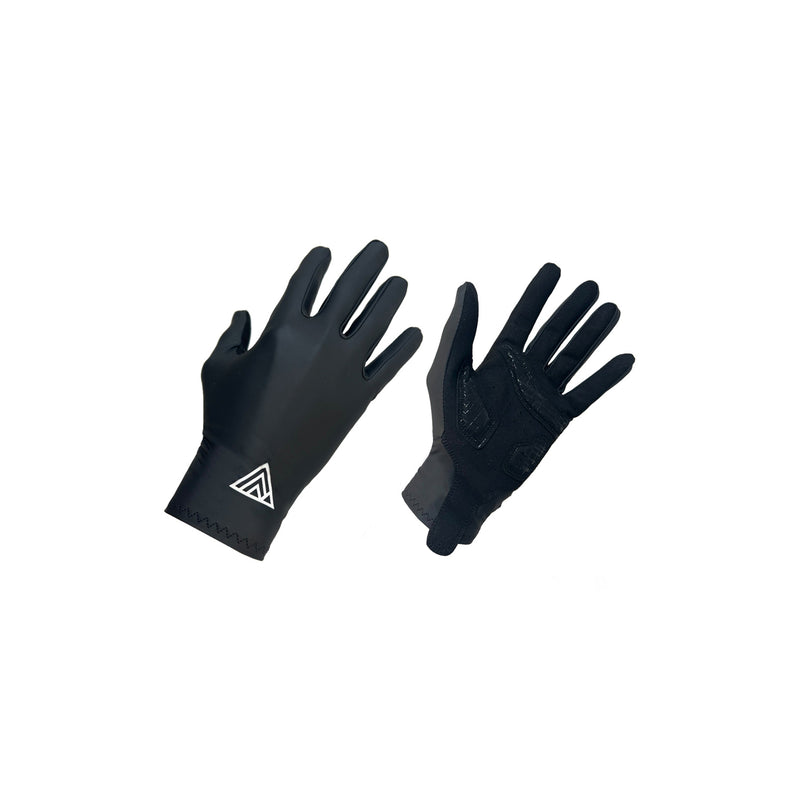
In the world of competitive cycling, every fraction of a second counts. While frame geometry, power output, and training regimens dominate discussions, the subtle influence of handwear often goes unnoticed. High-performance cycling gloves are engineered to bridge the gap between raw power and aerodynamic efficiency, offering riders a tangible edge on the road or track. By optimizing grip, reducing fatigue, and streamlining airflow, these gloves become an integral component of a rider’s kit, translating to smoother power transfer and a more stable, aerodynamic posture.
Why Gloves Matter for Power Transfer
When a cyclist pushes the pedals, the hands act as a critical conduit for force transmission. A well-designed glove enhances this connection in several ways:
- Improved Grip: Silicone or textured palm sections prevent slippage, allowing the rider to maintain a consistent pull on the handlebars.
- Vibration Dampening: Padding materials absorb road buzz, reducing muscular fatigue that can compromise power output over long distances.
- Pressure Distribution: Ergonomic shaping spreads load across the palm, preventing hotspots that lead to premature hand fatigue.
For cyclists seeking to fine-tune their power curve, exploring the latest glove technologies can be a game-changer. Discover expert strategies here and see how material innovations translate into measurable performance gains.
Aerodynamic Advantages of Modern Gloves
Aerodynamics is not limited to the bike frame; the rider’s body position and accessories also contribute to drag. Gloves designed with airflow in mind provide the following benefits:
- Sleek Silhouette: Low-profile construction reduces frontal area, minimizing turbulence around the hands.
- Seam-less Panels: Fewer stitching lines create smoother surfaces that allow air to glide over the glove.
- Integrated Wind-Deflectors: Subtle ridges or overlays channel airflow away from the palm, decreasing drag.
Integrating these aerodynamic features helps maintain higher speeds with less effort. For a deeper dive into design principles, Learn about our tailored solutions that balance grip and airflow without compromising comfort.
Key Features to Evaluate
Material Composition
Advanced gloves typically combine high-stretch Lycra with breathable mesh and strategic reinforcement zones. Look for:
- Thermo-regulating fabrics that wick sweat and keep hands cool.
- Durable palm overlays (e.g., synthetic leather or carbon-infused rubber) for long-term grip.
- Lightweight, tear-resistant back panels that maintain shape under stress.
Fit and Ergonomics
A glove that is too loose introduces slack, while one that is too tight restricts blood flow. Ideal characteristics include:
- Pre-curved fingers that match natural hand positioning.
- Adjustable Velcro or silicone straps for a secure, customized fit.
- Anatomical thumb pockets that keep the thumb in a neutral, power-optimal stance.
Ventilation and Weather Adaptability
Even in cooler conditions, proper airflow prevents sweat buildup, which can affect grip. Features to watch for:
- Mesh inserts on the back of the hand for enhanced breathability.
- Removable or interchangeable liners for temperature control.
- Water-resistant coatings that protect against drizzle without sacrificing ventilation.
Integrating Gloves into a Performance-Focused Setup
Choosing the right gloves is only part of the equation; how they interact with the rest of the bike setup matters as well. Consider the following integration tips:
- Handlebar Shape: Pair low-profile gloves with aerodynamic bar ends (e.g., aero bars) to maintain a consistent hand profile.
- Brake Lever Reach: Adjust lever reach so that the glove’s palm remains fully engaged during braking, preserving control.
- Glove Thickness vs. Bar Tape: Thicker gloves may require a slightly looser bar tape tension to avoid excess pressure on the hands.
For a comprehensive guide on how accessories complement each other, Explore advanced guides and tips that outline best-practice setups for time trial and road racing scenarios.
Maintenance and Longevity
High-performance gloves are an investment; proper care extends their useful life and preserves performance characteristics.
- Gentle Washing: Use cold water and mild detergent; avoid fabric softeners that can degrade grip pads.
- Air Drying: Lay flat to dry; excessive heat can warp synthetic materials.
- Regular Inspection: Check for wear in palm overlays and replace when traction diminishes.
Maintaining gloves ensures consistent power transfer and aerodynamic benefits throughout a season. Additional maintenance insights can be found by Find out more about this approach and keep your equipment performing at its peak.
Conclusion
Performance cycling gloves serve as a subtle yet powerful link between rider input and bike response. By enhancing grip, reducing vibration, and streamlining airflow, they enable cyclists to extract more power while maintaining an aerodynamic posture. Selecting gloves with the right material blend, ergonomic fit, and ventilation features, then integrating them thoughtfully into the overall bike setup, can translate into measurable time gains on the road or track. Continuous attention to maintenance preserves these advantages, ensuring that every ride benefits from the precise engineering that modern glove technology offers.
