The Science Behind Glycine Supplement Use in the UK Market
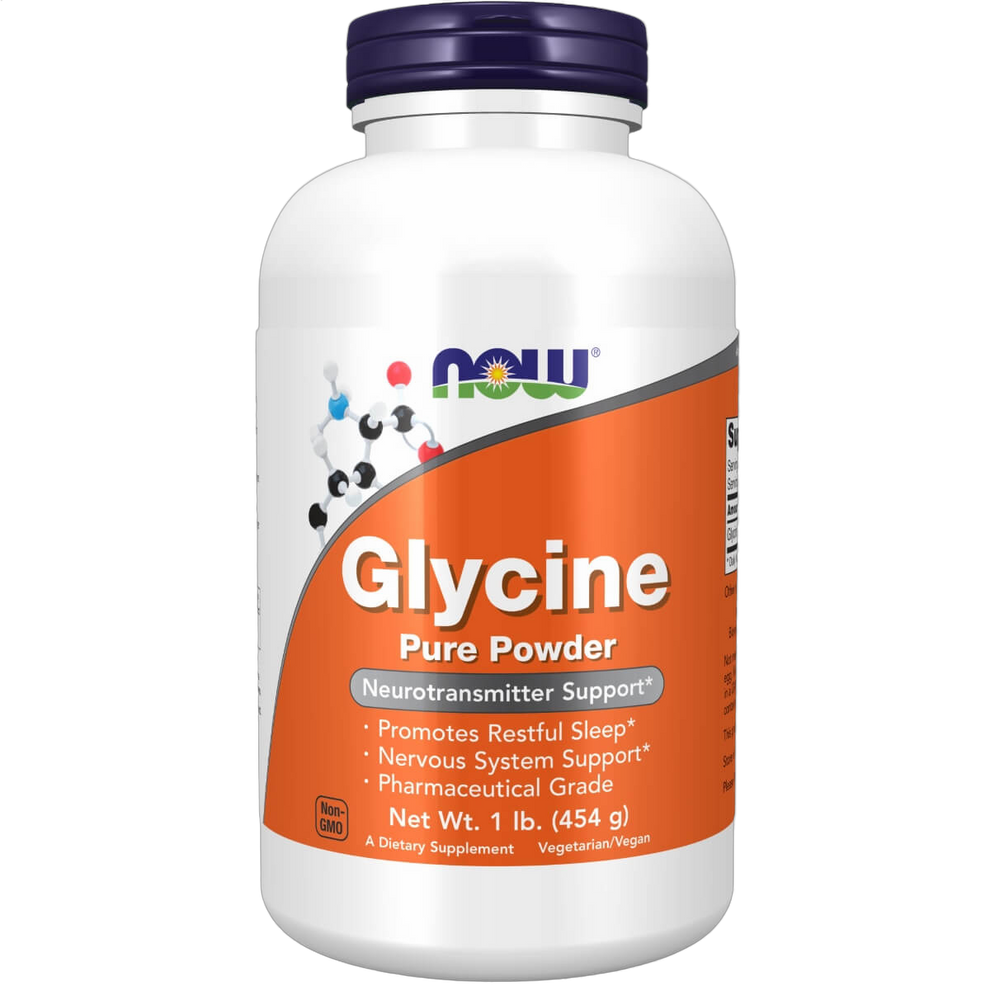
Glycine, the simplest of the non-essential amino acids, has moved from the laboratory bench to the shelves of health-focused retailers across the United Kingdom. Its reputation as a calming neurotransmitter, a collagen-building component, and a regulator of metabolic pathways has sparked both scientific curiosity and consumer demand. Understanding the mechanisms behind glycine supplementation, the regulatory environment in the UK, and the practical considerations for choosing a high-quality product helps buyers make informed decisions that align with their health goals.
Biochemical Role of Glycine in the Human Body
Glycine participates in several core physiological processes:
- Neurotransmission: Acts as an inhibitory neurotransmitter in the central nervous system, modulating motor control and reducing neuronal excitability.
- Protein Synthesis: Serves as a building block for collagen, the most abundant protein in skin, tendons, and cartilage.
- Detoxification: Contributes to the synthesis of glutathione, the body’s primary antioxidant, enhancing cellular protection against oxidative stress.
- Metabolic Regulation: Supports glucose homeostasis by stimulating the release of insulin and influencing glucagon-like peptide-1 (GLP-1) secretion.
Why Supplementation May Be Beneficial
While the body can produce glycine endogenously, dietary intake often falls short of optimal levels, especially in diets low in protein or rich in processed foods. Supplementation can help bridge this gap, offering potential advantages such as improved sleep quality, reduced joint discomfort, and enhanced recovery after intense exercise.
Regulatory Landscape for Glycine Supplements in the UK
In the United Kingdom, dietary supplements are regulated under the Food Supplements (England) Regulations 2003 and corresponding legislation in Scotland, Wales, and Northern Ireland. Key points include:
- Products must be safe for consumption and accurately labeled.
- Health claims are limited to those authorized by the European Food Safety Authority (EFSA) and the UK’s Food Standards Agency (FSA).
- Manufacturers must notify the FSA before placing a supplement on the market.
Because glycine is classified as a “food ingredient” rather than a novel substance, it can be sold freely provided it meets purity standards and does not exceed the maximum permitted levels for any added vitamins or minerals.
Choosing a High-Quality Glycine Supplement
When evaluating options such as glycine supplement or glycine tablets, consider the following criteria:
- Purity and Manufacturing Standards: Look for products manufactured in GMP-certified facilities with third-party testing for contaminants.
- Dosage Form: Powdered glycine allows flexible dosing, while tablets provide convenience and precise measurement.
- Ingredient Transparency: A clear label that lists glycine content per serving, along with any excipients, helps avoid unwanted additives.
- Customer Feedback: Reviews from UK consumers can indicate taste, solubility, and overall satisfaction.
For those seeking a product that aligns with both efficacy and regulatory compliance, the best glycine supplement uk options typically combine high purity with clear labeling and reasonable pricing.
Potential Health Benefits Supported by Research
Recent peer-reviewed studies have highlighted several areas where glycine supplementation shows promise:
- Sleep Improvement: A 2012 double-blind trial demonstrated that 3″?g of glycine taken before bedtime reduced sleep latency and enhanced subjective sleep quality.
- Joint and Skin Health: By providing the necessary amino acid for collagen synthesis, glycine may support skin elasticity and reduce joint stiffness, especially in older adults.
- Metabolic Support: Animal studies suggest glycine can improve insulin sensitivity, a finding that is now being explored in human clinical trials.
- Neuroprotection: Glycine’s role in glutathione production contributes to reduced oxidative damage in neural tissue, potentially aiding cognitive health.
Practical Dosing Guidelines
While individual needs vary, common dosing strategies include:
- 3″?g (approximately one teaspoon of powder) taken 30-60 minutes before sleep for sleep-related benefits.
- 2-5″?g divided throughout the day to support collagen formation and metabolic functions.
- Consultation with a healthcare professional is advisable for individuals with kidney disease or those taking medications that affect amino acid metabolism.
Market Trends and Consumer Insights in the UK
The demand for functional amino acids has risen alongside growing awareness of holistic health. Key trends include:
- Rise of “Sleep-Support” Formulations: Brands are bundling glycine with magnesium or melatonin to create comprehensive bedtime blends.
- Eco-Friendly Packaging: Consumers favor recyclable or biodegradable containers, prompting manufacturers to adopt sustainable solutions.
- Transparency Movement: Detailed batch testing results posted on websites increase consumer trust.
Data from market research firms indicate that the UK glycine supplement segment is projected to grow at a CAGR of 8″?% over the next five years, driven by fitness enthusiasts, ageing populations, and the expanding nutraceutical sector.
Conclusion
Glycine’s multifaceted role, from neurotransmission to collagen synthesis, makes it a valuable addition to many health-focused regimens. The UK’s clear regulatory framework ensures that reputable products, such as those found under the umbrella of glycine supplement uk, meet safety and labeling standards. By evaluating purity, dosage form, and scientific backing, consumers can select a supplement that aligns with their personal health objectives and the evolving standards of the UK market.
