Custom Cabinets Refacing for a Fresh Kitchen Look
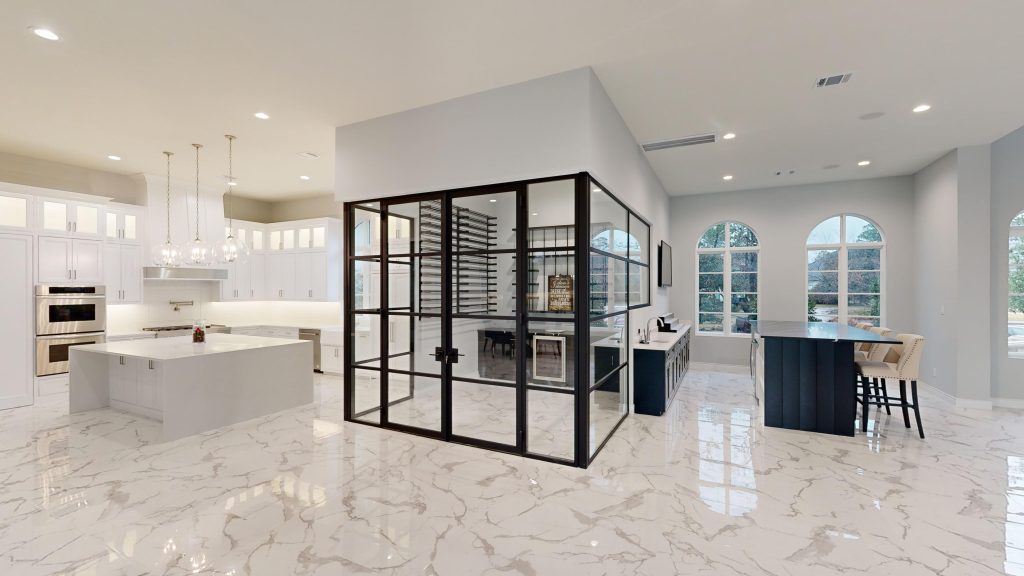
When a kitchen begins to feel dated, the most cost-effective way to achieve a modern, cohesive look is to refinish the existing cabinetry rather than replace it entirely. Custom cabinet refacing blends the aesthetic appeal of brand-new doors and hardware with the structural integrity of the original frames, delivering a fresh appearance while preserving the investment already made in the kitchen’s core layout.
What Is Cabinet Refacing?
Cabinet refacing involves removing the existing doors, drawer fronts, and hardware, then applying new veneer, laminate, or painted surfaces to the cabinet boxes. The process typically includes:
- Stripping old finishes and repairing any damaged wood.
- Installing new door and drawer fronts that match the desired style.
- Applying fresh hardware, knobs, pulls, and hinges, to complete the look.
Because the underlying cabinet structure remains untouched, the result is a kitchen that looks completely renovated without the expense and disruption of a full replacement.
Benefits of Custom Cabinet Refacing
Cost Savings
Refacing can reduce material costs by up to 50% compared with installing brand-new cabinets. The labor focus shifts from demolition to precision finishing, which often translates into lower overall project bids.
Speed and Convenience
Most refacing projects are completed within one to two weeks, allowing homeowners to return to daily cooking routines quickly. The reduced timeline also minimizes the need for temporary kitchen setups.
Environmental Impact
By retaining the original cabinet frames, refacing diverts a significant amount of wood waste from landfills, supporting sustainable remodeling practices.
Choosing the Right Materials
Modern refacing options span a wide range of textures, colors, and finishes. Selecting the appropriate material depends on the desired aesthetic, durability requirements, and budget constraints.
- Veneer: Thin slices of real wood that provide authentic grain patterns while remaining affordable.
- Laminate: High-definition printed surfaces that mimic wood, stone, or metal, offering excellent resistance to moisture.
- Painted Finish: Custom colors applied with low-VOC paints for a sleek, contemporary look.
Design Considerations
Successful refacing balances functionality with style. Below are key elements to evaluate before finalizing the design:
- Door Style: Shaker, flat-panel, glass-front, or slab doors each convey a different visual language.
- Hardware: Modern brushed nickel, classic oil-rubbed bronze, or minimalist matte black can dramatically shift the kitchen’s tone.
- Color Palette: Light neutrals expand visual space, while deep hues add drama and sophistication.
Integrating Refaced Cabinets Into a Full Kitchen Remodel
Cabinet refacing works seamlessly with other remodeling components such as countertop upgrades, lighting enhancements, and backsplash installations. Coordinating these elements ensures a cohesive design narrative.
For a comprehensive plan that aligns refaced cabinets with other upgrades, anchor text can serve as a starting point for exploring coordinated strategies.
Step-by-Step Process Overview
- Assessment: A professional evaluates existing cabinet condition and measures for new fronts.
- Material Selection: Choose veneer, laminate, or paint, along with door styles and hardware.
- Preparation: Remove old doors, clean surfaces, and repair any structural issues.
- Installation: Apply new veneer or paint, attach new doors and drawer fronts, and install hardware.
- Finishing Touches: Add trim, adjust hinges, and perform a final quality inspection.
Budgeting Tips
To keep costs predictable, consider the following budgeting guidelines:
- Set a clear maximum for material spend before selecting hardware.
- Obtain multiple quotes from reputable contractors who specialize in refacing.
- Factor in a contingency of 10-15% for unexpected repairs to the cabinet frames.
Finding Professional Guidance
While DIY refacing is possible for seasoned craftsmen, most homeowners benefit from the expertise of seasoned remodelers who understand the nuances of fit, finish, and durability. For detailed guidance on selecting the right approach, Discover expert strategies here. Additionally, Explore advanced guides and tips. can provide deeper insight into material performance and design trends.
Conclusion
Custom cabinet refacing offers a practical pathway to a refreshed kitchen aesthetic without the disruption and expense of full cabinet replacement. By carefully selecting materials, coordinating design elements, and partnering with knowledgeable professionals, homeowners can achieve a high-impact transformation that feels both modern and timeless.
