Enhancing Animal Welfare Standards in European Beef Production
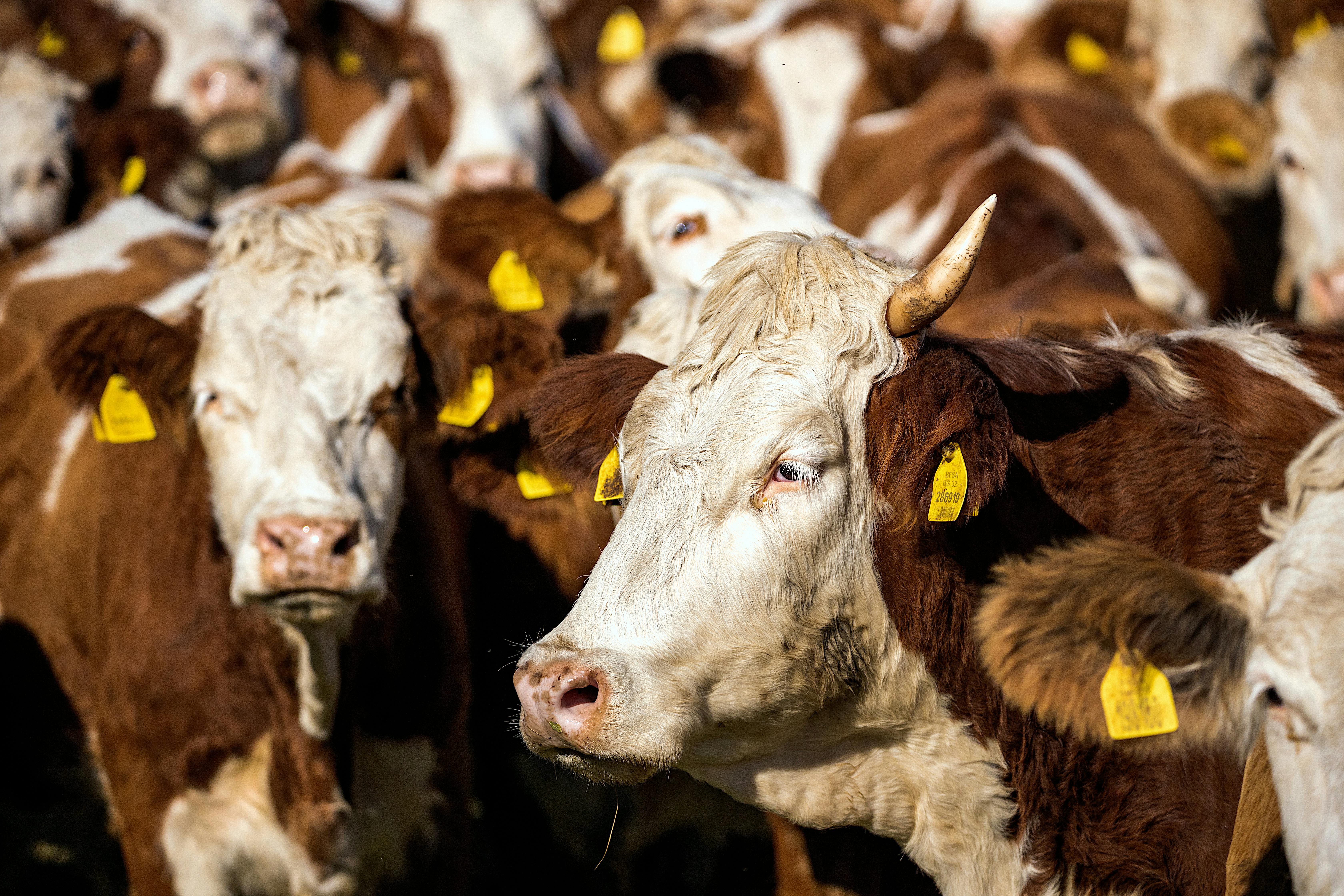
European beef production is at a pivotal moment, as stakeholders across the supply chain recognize that animal welfare is not merely an ethical imperative but also a driver of market competitiveness, sustainability, and public trust. Enhancing welfare standards requires a coordinated effort that blends scientific research, regulatory frameworks, and practical on-farm solutions. By aligning production practices with the highest welfare benchmarks, the industry can safeguard animal health, improve meat quality, and respond to increasingly informed consumer demands.
Current Landscape of Animal Welfare in European Beef
Regulatory bodies such as the European Union have established baseline requirements covering transport, handling, and housing conditions. However, there is a growing gap between minimum compliance and best-practice standards that many producers aim to achieve.
- EU Regulation (EC) No”?1099/2009 sets out minimum standards for the protection of calves, but voluntary schemes often exceed these limits.
- National initiatives, for example Germany’s Tierwohl program, provide additional certification tiers based on animal comfort and health metrics.
- Consumer surveys show that over 70″?% of EU citizens consider animal welfare a decisive factor when purchasing beef.
For a deeper understanding of the regulatory context, Discover expert strategies here.
Key Drivers for Raising Standards
Consumer Expectations
Modern consumers demand transparency and humane treatment of livestock. This shift is reflected in the rise of labeling schemes that highlight welfare-friendly practices, prompting producers to adopt more rigorous standards.
Market Access and Trade
Export markets increasingly require proof of high welfare compliance. Aligning with international standards can open new avenues for European beef, especially in regions where animal welfare is a market differentiator.
Scientific Advancements
Research into animal behavior, stress physiology, and nutrition provides actionable insights that can be translated into practical farm-level interventions.
- Precision livestock farming tools enable real-time monitoring of animal health indicators.
- Improved bedding materials reduce lameness and improve comfort.
- Optimized feeding regimes support growth while minimizing metabolic disorders.
To explore how scientific findings are being applied, Explore advanced guides and tips.
Effective Strategies for Enhancing Welfare
Implementing welfare improvements can be approached through a combination of policy alignment, farm management practices, and stakeholder collaboration.
Adopt Tiered Certification Systems
Certification programs that offer multiple levels of compliance encourage continuous improvement. Producers can start at a baseline tier and progress toward premium levels that command higher market prices.
Invest in Training and Knowledge Transfer
Empowering farm personnel with up-to-date welfare knowledge ensures that best practices become routine. Workshops, on-site demonstrations, and digital learning platforms are effective tools.
Leverage Technology for Monitoring
Smart sensors and video analytics can detect early signs of distress, allowing for rapid intervention. Data-driven decision making reduces the likelihood of welfare breaches.
- Automated temperature and humidity controls maintain optimal barn environments.
- Wearable devices track movement patterns to identify lameness early.
- AI-based image analysis monitors feeding behavior and social interactions.
For practical examples of technology integration, Learn about our tailored solutions.
Collaboration Across the Supply Chain
Improving welfare is most successful when all actors, from breeders to retailers, share responsibility.
- Breeders: Prioritize genetic lines with lower susceptibility to stress and disease.
- Farmers: Implement enriched environments that allow natural behaviors such as grazing and social grouping.
- Processors: Ensure humane handling during slaughter and prioritize low-stress transport logistics.
- Retailers: Highlight welfare-certified products to educate consumers and reinforce demand.
Insights into collaborative frameworks can be found by Find out more about this approach.
Measuring Impact and Continuous Improvement
Robust monitoring and reporting mechanisms are essential for verifying progress and maintaining credibility.
- Key Performance Indicators (KPIs) such as mortality rates, injury incidence, and behavioral scores provide objective benchmarks.
- Third-party audits add transparency and help identify gaps.
- Regular stakeholder reviews ensure that standards evolve with scientific advances and market expectations.
Guidelines for establishing effective KPI systems are available through Discover expert strategies here.
Conclusion
Elevating animal welfare standards in European beef production is a multifaceted endeavor that blends regulation, innovation, and collaboration. By embracing science-based practices, leveraging technology, and fostering a culture of continuous improvement, the industry can meet consumer expectations, secure market access, and most importantly, ensure that cattle are raised with dignity and care. The path forward is clear: a commitment to higher welfare not only protects animals but also strengthens the long-term resilience and reputation of European beef on the global stage.
