The Ultimate Guide to Choosing the Best Vitamin C Supplement in the UK
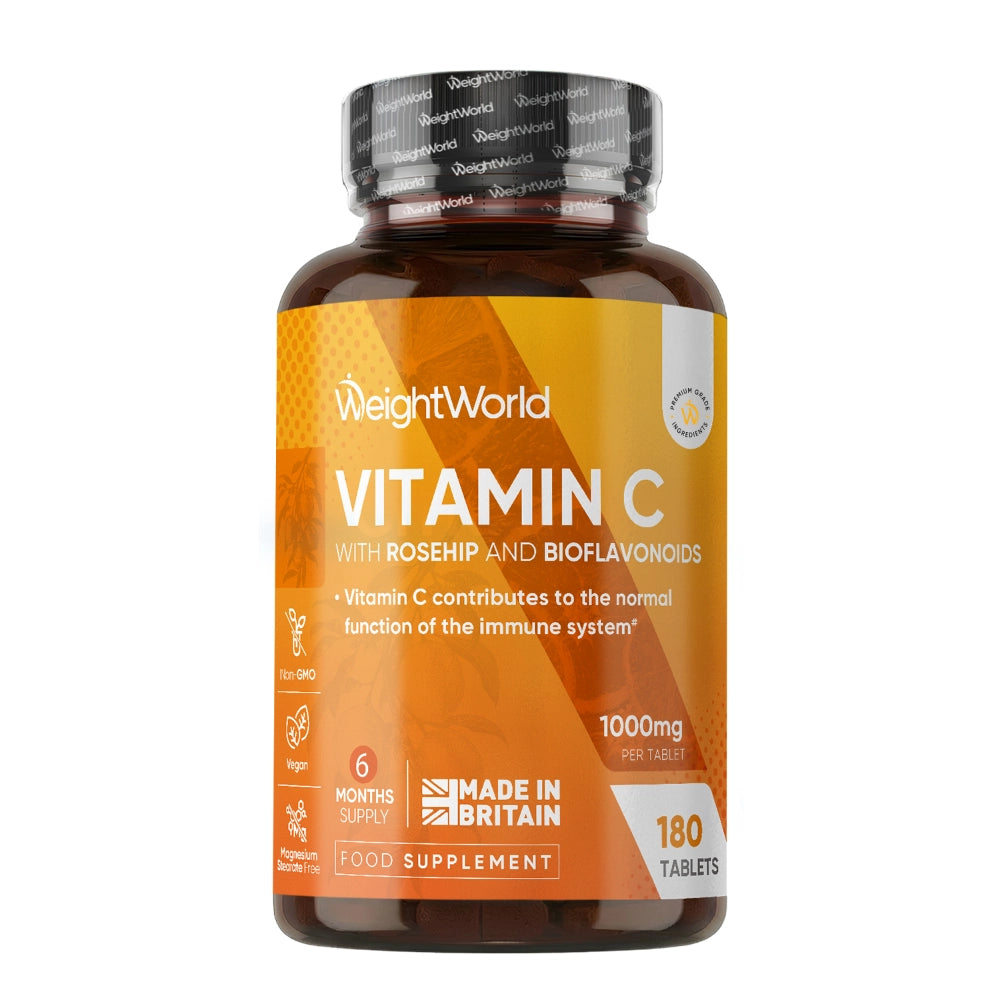
Vitamin”?C remains one of the most researched and widely recommended nutrients for supporting immune function, collagen synthesis, and antioxidant protection. With an ever-growing market of tablets, powders, gummies, and liquid formulas, selecting the right supplement can feel overwhelming, especially when quality standards differ between manufacturers. This guide breaks down the key factors to consider when choosing a vitamin”?C supplement in the UK, helping you make an informed decision that aligns with health goals, lifestyle preferences, and budget.
Understanding Vitamin”?C: Forms and Bioavailability
Not all vitamin”?C supplements are created equal. The two most common forms are:
- Ascorbic Acid: The pure, synthetic form that is highly bioavailable but can be acidic, potentially irritating to sensitive stomachs.
- Buffered or Esterified Forms (e.g., Calcium Ascorbate, Magnesium Ascorbate, Ascorbyl-Palmitate): These are gentler on the digestive system and often marketed as “non-acidic” or “gentle” options.
Research suggests that while the body absorbs both forms efficiently, buffered versions may be preferable for individuals with gastrointestinal sensitivity. Additionally, some products combine ascorbic acid with bioflavonoids or rosehip extract, which can enhance antioxidant activity and improve absorption.
Key Criteria for Evaluating Quality
1. Ingredient Transparency
- Look for a full ingredient list, including the source of vitamin”?C (synthetic vs. natural).
- Check for added fillers, artificial colours, or unnecessary preservatives.
2. Dosage Accuracy
- Recommended daily intake for adults ranges from 70″?mg (men) to 60″?mg (women), but therapeutic doses often fall between 500″?mg and 1,000″?mg.
- Choose products that clearly state the amount of elemental vitamin”?C per serving.
3. Third-Party Testing
- Certification from bodies such as UKAS, NSF, or Informed-Sport indicates that the product has been tested for purity and potency.
- Look for batch-specific certificates of analysis (COA) when possible.
4. Formulation Enhancements
- Bioflavonoids (e.g., quercetin, rutin) and rosehip can improve absorption and provide synergistic antioxidant benefits.
- Vitamin”?C with minerals (calcium, magnesium) can serve as a buffered source, reducing acidity.
Choosing the Right Format for Your Lifestyle
Different delivery methods suit different preferences and routines:
- Tablets/Capsules: Convenient, portable, and often contain higher doses per unit.
- Powders: Ideal for mixing into smoothies or water; allow flexible dosing.
- Gummies: Pleasant taste, but may contain added sugars and lower potency.
- Liquid Drops: Useful for those who have difficulty swallowing pills; rapid absorption.
Consider factors such as ease of use, taste preferences, and whether you need a product that can be split into smaller doses throughout the day.
Evaluating Value: Price vs. Potency
While price alone isn’t an indicator of quality, it’s worth comparing the cost per milligram of elemental vitamin”?C. Bulk purchases often reduce the per-dose cost, but ensure the product remains within its expiry window to avoid waste.
Top Recommendations for the UK Market
Based on the criteria above, several products consistently meet high standards of purity, efficacy, and consumer satisfaction. When searching for the best vitamin c supplement in the UK, consider options that combine ascorbic acid with bioflavonoids or rosehip, are third-party tested, and offer transparent labeling. For those specifically looking for the best vitamin c supplement uk that balances potency with a gentle formulation, buffered blends and added antioxidant complexes are worth exploring.
Safety Considerations and Potential Interactions
- Upper Limits: The UK’s Reference Nutrient Intake (RNI) sets an upper safe limit of 2,000″?mg per day for adults. Exceeding this may increase the risk of kidney stones or gastrointestinal upset.
- Medication Interactions: High doses of vitamin”?C can affect the absorption of certain drugs, such as anticoagulants (e.g., warfarin) and chemotherapy agents. Consult a healthcare professional if you’re on prescription medication.
- Pregnancy & Breastfeeding: Recommended intake remains close to the RNI; however, therapeutic doses should only be taken under medical advice.
How to Store Vitamin”?C Supplements Effectively
Vitamin”?C is sensitive to heat, light, and moisture. To preserve potency:
- Store tablets or capsules in a cool, dry place away from direct sunlight.
- Keep powder or liquid forms tightly sealed and refrigerate if the label recommends it.
- Avoid storing near strong odors, as some capsules can absorb scents over time.
Conclusion
Choosing the right vitamin”?C supplement involves balancing bioavailability, formulation, quality assurance, and personal lifestyle needs. By prioritizing transparent labeling, third-party testing, and evidence-based enhancements such as bioflavonoids, consumers can confidently select a product that supports immune health, skin integrity, and overall antioxidant protection. Whether opting for tablets, powders, or gummies, the focus should remain on consistent daily intake within safe limits, complemented by a balanced diet rich in natural sources of vitamin”?C like citrus fruits, berries, and leafy greens. Armed with the criteria outlined in this guide, navigating the UK market for the best vitamin”?C supplement becomes a straightforward, evidence-driven process.
