Build Your Collection with Top Picks from Our Sports Card Store
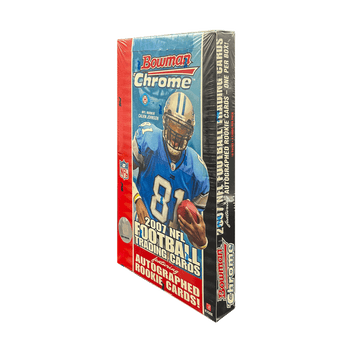
Collecting sports cards is more than a hobby; it’s a journey through the history of athletics, a chance to own a piece of iconic moments, and an opportunity to build a portfolio that can appreciate over time. Whether the goal is to chase rookie gems, preserve vintage classics, or simply enjoy the thrill of opening a fresh pack, a well-curated selection from a reputable source makes all the difference. The following guide highlights essential categories and strategic tips for assembling a high-quality collection, drawing on the depth of expertise found in leading Sports Card Store inventories.
Understanding the Core Categories
Rookie Cards and First-Year Releases
Rookie cards are the cornerstone of many valuable collections. These cards capture athletes at the very start of their professional careers, often before they become household names.
- Focus on established leagues such as the NFL, NBA, MLB, and NHL.
- Prioritize cards from major manufacturers (Topps, Panini, Upper Deck) that produce first-year editions.
- Consider the card’s condition, grading, and scarcity, low serial numbers and limited print runs increase desirability.
Vintage Trading Cards
Cards from the 1950s through the 1990s carry a nostalgic appeal and often feature iconic artwork and historic moments.
- Key sets include 1952 Topps, 1986 Fleer Basketball, and 1990 Upper Deck Baseball.
- Look for cards that have been professionally graded; a high grade can dramatically boost market value.
- Preservation is critical, store cards in acid-free sleeves and climate-controlled environments.
Modern Parallel and Insert Sets
Modern releases frequently include parallel versions (e.g., “Gold”, “Silver”, “Rookie Patch”) and special inserts (e.g., autographs, memorabilia pieces). These variations add layers of rarity and excitement.
- Parallel cards often have distinct foil finishes or unique serial numbers.
- Insert cards may contain game-used swatches, player autographs, or limited-edition artwork.
- Tracking set checklists helps ensure completeness and aids in resale or trade decisions.
Strategic Purchasing Tips
Leverage Trusted Online Platforms
Purchasing from an established Online Sports Card Store reduces the risk of counterfeit items and provides access to a broad inventory.
- Verify seller reputation through reviews and third-party authentication services.
- Utilize secure payment options and understand return policies before finalizing a purchase.
- Take advantage of detailed product descriptions, high-resolution images, and grading information.
Build Around Themes
Creating a thematic focus, such as a single franchise, a specific era, or a group of Hall-of-Fame inductees, adds cohesion and narrative to a collection.
- Identify a primary interest (e.g., 1990s NBA legends) and source cards that align with that theme.
- Use checklists from reputable hobby sites to track missing pieces and avoid duplication.
- Consider complementary memorabilia, like signed photos or game-used equipment, to enhance the collection’s depth.
Balance Investment and Enjoyment
While some collectors treat cards as financial assets, the most rewarding collections blend investment potential with personal enjoyment.
- Allocate a portion of the budget to high-value, low-risk cards (e.g., graded rookie cards of established stars).
- Reserve funds for speculative picks, up-and-coming athletes who could surge in value.
- Maintain a record of purchase prices, grading reports, and market trends for informed decision-making.
Preservation and Presentation
Proper Storage Solutions
Long-term preservation begins with the right storage environment.
- Use penny-slide protectors, top loaders, or magnetic cases for individual cards.
- Store cards in a climate-controlled space, ideal temperature: 65-70??F; relative humidity: 40-50%.
- Avoid direct sunlight, which can fade ink and degrade card stock.
Display Options for Showcasing
Displaying prized cards can enhance enjoyment and add visual appeal to a collection.
- Consider custom frames with UV-protective glass for high-value pieces.
- Use rotating display cases for a dynamic presentation that protects cards from dust.
- Integrate themed d??cor, such as team colors or memorabilia, into the display area.
Expanding Knowledge and Community Involvement
Staying informed about market trends, upcoming releases, and grading standards is essential for any serious collector. Engaging with the broader hobby community provides insights and opportunities for trade.
- Subscribe to reputable hobby publications and follow industry analysts on social media.
- Participate in local card shows, online forums, and collector groups to exchange ideas and discover rare finds.
- Explore related categories at a reputable Sports Memorabilia Store for complementary items like autographed jerseys or game-used balls.
Conclusion
Building a distinguished sports card collection requires a blend of research, strategic purchasing, and diligent preservation. By focusing on core categories, rookie cards, vintage classics, and modern parallels, while leveraging trusted Trading Card Store resources, collectors can curate a portfolio that reflects both personal passion and market savvy. Continuous learning, community engagement, and thoughtful presentation will ensure the collection remains a source of pride for years to come.
