Ultimate Guide to Choosing the Best Muscle Growth Supplements
Building lean, functional muscle is a goal shared by athletes, fitness enthusiasts, and anyone looking to improve their physique. While consistent training and proper nutrition form the foundation, the right supplement can accelerate recovery, enhance protein synthesis, and support overall performance. With a market flooded by countless products, choosing the most effective muscle-growth supplement requires a clear understanding of how each ingredient works, who it benefits most, and what safety considerations to keep in mind. This guide breaks down the essential factors to consider, highlights the most researched ingredients, and offers practical tips for integrating supplements into a balanced fitness regimen.
Understanding the Science Behind Muscle Growth
Muscle hypertrophy is driven by three primary mechanisms:
- Mechanical tension: The force generated during resistance training creates micro-tears in muscle fibers.
- Metabolic stress: Accumulation of metabolites (lactate, hydrogen ions) during intense sets triggers cellular signaling pathways.
- Muscle damage: Controlled damage initiates repair processes that lead to larger, stronger fibers.
Supplements aim to amplify these processes by providing the building blocks (amino acids), enhancing hormonal responses, or improving cellular energy availability.
Key Ingredients to Look For
1. Whey Protein Isolate
Whey protein delivers a rapid influx of essential amino acids, particularly leucine, which is critical for activating the mTOR pathway, the central regulator of muscle protein synthesis.
- High biological value (BV) and rapid digestion.
- Typically contains 20-30″?g of protein per serving.
- Low in lactose, making it suitable for most individuals.
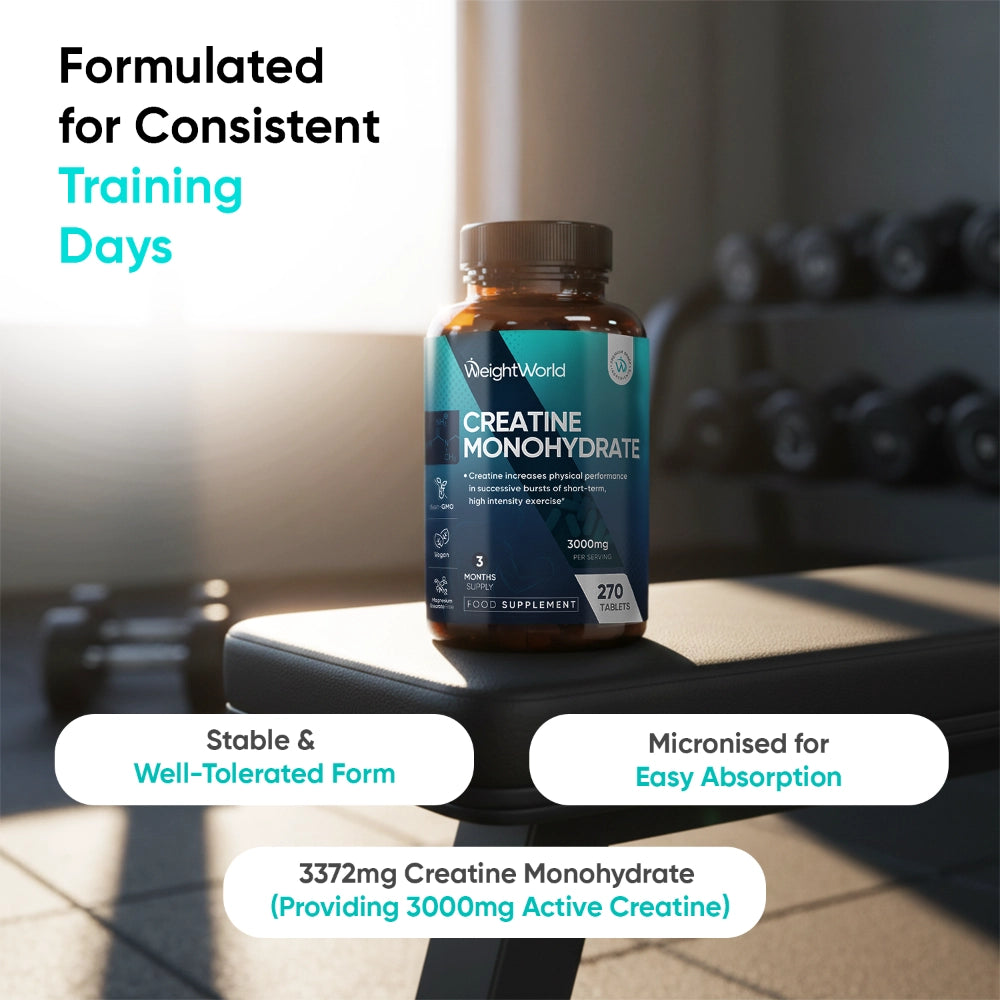
2. Creatine Monohydrate
Creatine increases phosphocreatine stores in muscle cells, allowing for greater ATP regeneration during short, high-intensity efforts.
- Improves strength and power output by 5-15″?%.
- Supports volumetric muscle growth through increased cell hydration.
- Well-studied with a strong safety profile.
3. Branched-Chain Amino Acids (BCAAs)
BCAAs, leucine, isoleucine, and valine, are directly metabolized in skeletal muscle and can reduce muscle soreness when taken around workouts.
- Leucine ratio of at least 2:1:1 (Leu:Ile:Val) is recommended.
- Useful for athletes training in a fasted state.
- May be redundant when total protein intake exceeds 1.6″?g/kg body weight.
4. Beta-Alanine
Beta-alanine buffers intramuscular acidity, delaying fatigue during high-rep sets.
- Typical dose: 3-6″?g per day, split into smaller servings.
- Can cause a harmless tingling sensation (paresthesia) at higher doses.
5. HMB (??-Hydroxy ??-Methylbutyrate)
A metabolite of leucine, HMB helps reduce muscle protein breakdown, especially beneficial for beginners or those returning after a layoff.
- Effective dose: 3″?g per day.
- Shows most benefit during the first 6-8 weeks of training.
How to Choose the Best Supplements for Muscle Growth
When evaluating options, consider the following criteria to ensure you select products that align with your goals and lifestyle.
- Ingredient Transparency: Look for clear labeling that lists exact amounts of active compounds.
- Third-Party Testing: Certifications from organizations such as NSF, Informed-Sport, or USP confirm purity and absence of banned substances.
- Formulation Purpose: Choose a product designed for your specific need, pre-workout energy, post-workout recovery, or daily protein intake.
- Cost-Effectiveness: Calculate price per gram of protein or per serving of creatine to compare value.
- Allergen Considerations: Verify that the supplement is free from common allergens if you have sensitivities.
Integrating Supplements into a Training Routine
Pre-Workout
For optimal performance, a combination of fast-digesting protein (or BCAAs) and a creatine dose can be taken 30-45 minutes before training. Adding a modest amount of beta-alanine may further delay fatigue during high-volume sessions.
Post-Workout
The anabolic window is best served with a whey protein shake containing 20-30″?g of protein and 5″?g of creatine. This pairing maximizes muscle protein synthesis and replenishes phosphocreatine stores.
Daily Maintenance
On rest days, maintain protein intake through whole foods and a supplemental protein source if needed. Creatine should be taken consistently, either with a meal or a shake, to keep muscle stores saturated.
Safety, Side Effects, and Contra-Indications
Most muscle-growth supplements are safe for healthy adults when used as directed. However, certain populations should exercise caution:
- Kidney Concerns: Individuals with pre-existing kidney disease should consult a physician before using high-protein or creatine supplements.
- Pregnant or Nursing Women: Limited research exists; professional guidance is recommended.
- Medication Interactions: Creatine may affect diuretic efficacy; beta-alanine can interact with certain antihistamines.
Putting It All Together: Sample Supplement Stack
A balanced stack that covers the major anabolic pathways might look like this:
- Morning: 1 scoop whey protein isolate mixed with water or milk.
- Pre-Workout (30″?min prior): 5″?g creatine monohydrate + 3″?g beta-alanine.
- During Workout: 5-10″?g BCAAs (if training fasted).
- Post-Workout: 1 scoop whey protein + 5″?g creatine.
- Evening (optional): 3″?g HMB on training days.
This regimen provides rapid amino acid delivery, cellular energy support, and muscle-preserving nutrients without excessive dosing.
Final Thoughts
Choosing the right muscle growth supplements is less about chasing trends and more about aligning scientifically backed ingredients with personal goals, dietary habits, and training intensity. By prioritizing transparency, third-party testing, and evidence-based dosing, athletes can safely enhance their results and stay on track toward their performance objectives. For those seeking a curated selection that meets these standards, exploring the best supplements for muscle growth can provide a reliable starting point.
