Time Trial Aero Kit Choices That Maximize Speed
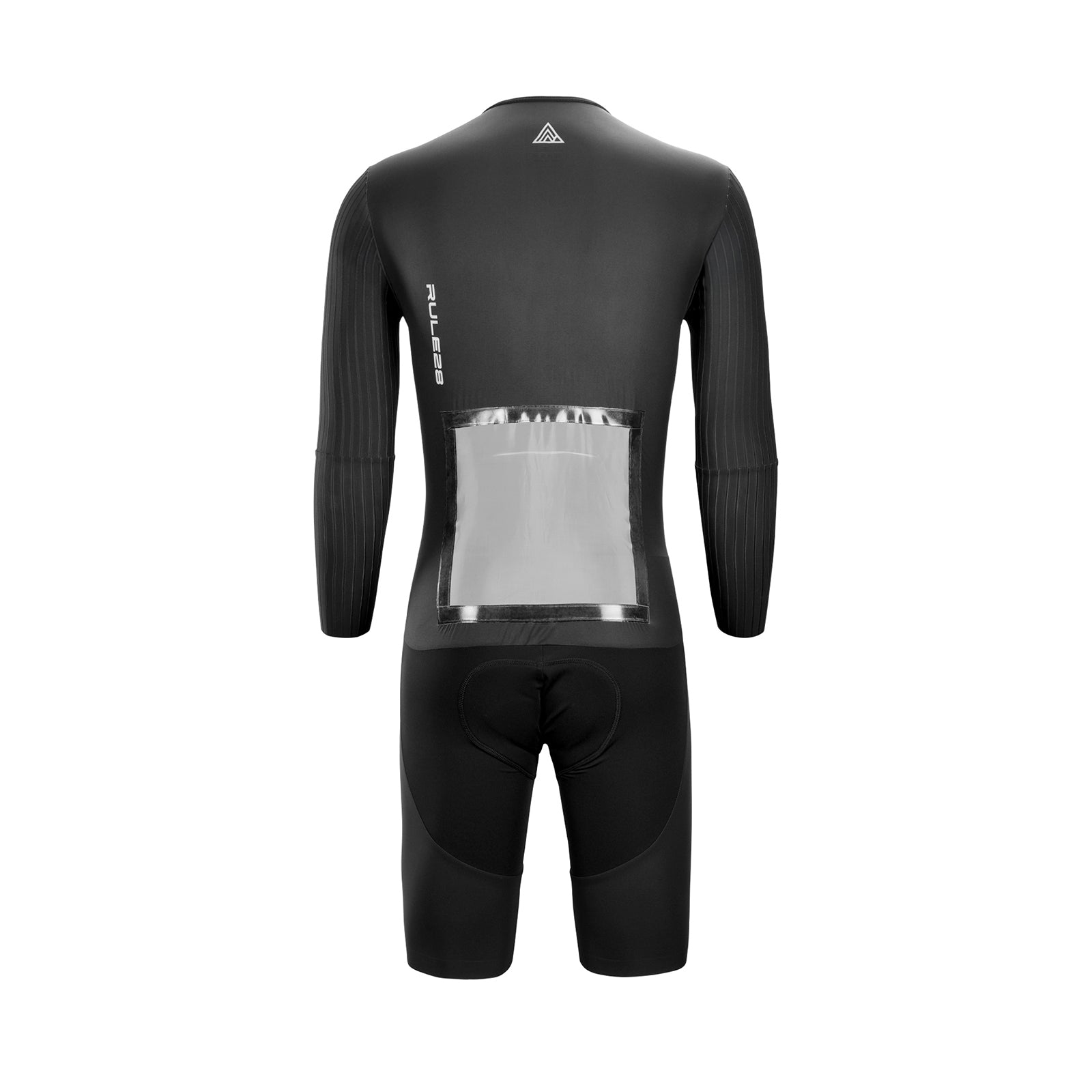
Time trial performance hinges on the delicate balance between aerodynamics, comfort, and power transfer. Selecting the right aero kit can shave precious seconds off a race, especially when every millisecond counts in a discipline where the wind is both an adversary and an ally. This article examines the key components of a time trial aero kit, evaluates material and design options, and outlines how to match each element to a rider’s specific needs. By focusing on evidence-based choices, cyclists can build a kit that maximizes speed without compromising stability or endurance.
Core Components of an Aero Kit
Understanding the building blocks of an aero kit is essential before diving into specific products. The main elements include the skin-tight suit, overshoes, base layers, and accessories such as helmets and shoe covers. Each component contributes uniquely to the overall drag reduction.
Skin-Tight Time Trial Suit
- Fabric technology: High-tense, low-porosity fabrics like 3-D woven Lycra reduce surface roughness and limit air turbulence.
- Seam placement: Laser-cut seams positioned along the natural flow of air minimize disruption.
- Fit customization: Tailored cuts for different body shapes ensure a snug profile without restricting movement.
For a deeper dive into suit technologies, Discover expert strategies here and explore the latest offerings that blend compression with aerodynamics.
Overshoes and Shoe Covers
- Material stiffness: Semi-rigid shells keep the foot streamlined while preserving pedal efficiency.
- Ventilation zones: Strategically placed perforations prevent overheating during long efforts.
- Compatibility: Designed to work seamlessly with clipless pedals and carbon shoe soles.
When selecting overshoes, consider how they integrate with your pedal system. Detailed guidance can be found in the Learn about our tailored solutions section.
Material Choices and Their Impact on Speed
The choice of material directly influences drag coefficient, weight, and thermal regulation. Below are the most common options and their performance implications.
Polyester-Based Fabrics
- Excellent durability and resistance to UV degradation.
- Typically heavier than high-tech composites but more affordable.
- Provides a stable aerodynamic surface after multiple washes.
Carbon-Infused Textiles
- Ultra-lightweight with a very low drag profile.
- Higher cost, but the performance gain can be measurable in elite competition.
- Requires careful handling to avoid delamination.
Choosing between these fabrics depends on budget, race distance, and personal preference. A comprehensive comparison is available in the Explore advanced guides and tips resource.
Fit and Customization: The Hidden Speed Factor
A perfect aerodynamic shape is only achieved when the kit conforms precisely to the rider’s anatomy. Poor fit can create gaps that increase drag and cause discomfort, leading to reduced power output.
- Body measurement protocols: Use a three-point measurement system (torso, hips, arms) to determine the optimal suit size.
- Adjustable features: Zippers, velcro panels, and elastic inserts allow fine-tuning during the race.
- Professional fitting services: Many specialty shops offer wind-tunnel testing to verify aerodynamic efficiency.
For riders seeking a data-driven approach, Find out more about this approach and discover how precise tailoring can translate into measurable time savings.
Accessory Integration for Maximum Efficiency
Beyond the primary kit, accessories such as helmets, gloves, and aerodynamic shoe covers can further reduce drag. Each piece should be evaluated for its contribution to the overall aero package.
- Time trial helmets: Rounded shells with integrated visors cut down on frontal area.
- Aero gloves: Minimal padding and tapered fingers reduce hand drag.
- Integrated shoe covers: Seamless extensions that smooth the transition between shoe and overshoe.
When selecting accessories, ensure they are compatible with the core kit to avoid mismatched aerodynamics. A curated list of compatible items can be accessed through the Explore advanced guides and tips page.
Maintenance and Longevity
Even the most advanced aero kit will lose performance if not cared for properly. Follow these maintenance best practices to preserve aerodynamic integrity.
- Wash in cold water with mild detergent; avoid fabric softeners.
- Air-dry flat to prevent stretching of high-tension fibers.
- Inspect seams and panels regularly for wear; replace if any fraying is detected.
- Store in a breathable garment bag to protect against dust and UV exposure.
Proper upkeep not only extends the life of the kit but also maintains its low-drag characteristics throughout the season. For product-specific care instructions, refer to the detailed guides at Learn about our tailored solutions.
Conclusion
Choosing the right time trial aero kit is a multifaceted decision that blends material science, fit precision, and accessory coordination. By focusing on high-performance fabrics, meticulous tailoring, and complementary accessories, cyclists can achieve a streamlined silhouette that translates directly into faster times. Continuous learning and regular equipment audits ensure that the kit remains at the cutting edge of aerodynamic efficiency. For an extensive selection of premium components and in-depth technical resources, visit the dedicated collection at Discover expert strategies here. Armed with the right knowledge and equipment, every rider can push the limits of speed on the road.
