Sports Nutrition Supplements and Their Role in Hydration
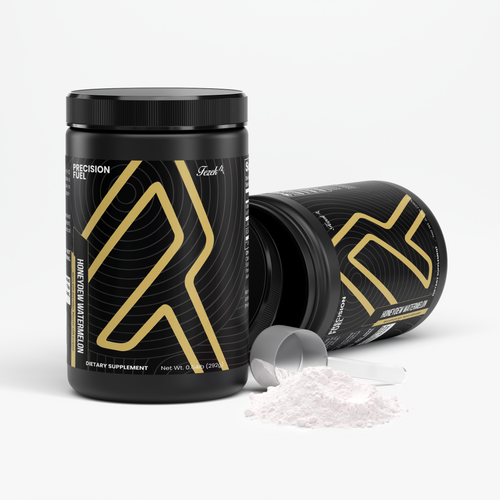
Staying properly hydrated is a cornerstone of athletic performance, yet many athletes rely solely on water to meet their fluid needs. Modern sports nutrition recognizes that electrolytes, carbohydrates, and specific micronutrients play essential roles in maintaining fluid balance, supporting muscle function, and preventing dehydration-related fatigue. This article explores the most common categories of sports nutrition supplements, how they influence hydration, and practical guidelines for integrating them into a training regimen.
Understanding Hydration Physiology
Effective hydration involves more than drinking water; it requires a balance of fluids and electrolytes that regulate osmotic pressure, nerve transmission, and muscle contraction. During exercise, sweat loss can exceed 1-2 liters per hour, carrying sodium, potassium, magnesium, and calcium. When these minerals are not replenished, athletes may experience cramps, reduced endurance, and impaired thermoregulation.
Key Supplement Categories that Support Hydration
Electrolyte Powders and Tablets
Electrolyte supplements are formulated to replace the minerals lost through sweat. They typically contain sodium chloride, potassium citrate, magnesium carbonate, and calcium phosphate.
- Rapid absorption helps maintain plasma volume.
- Balanced sodium content supports thirst mechanisms.
- Magnesium aids in muscle relaxation and reduces cramping.
For a deeper dive into electrolyte strategies, Read more about this topic.
Carbohydrate-Electrolyte Blends
Combining carbohydrates with electrolytes provides both energy and fluid retention. Glucose or maltodextrin enhances sodium uptake via the sodium-glucose co-transport mechanism, improving rehydration efficiency.
- Improves endurance by supplying a steady energy source.
- Facilitates faster fluid absorption in the intestines.
- Reduces the risk of hyponatremia during prolonged activity.
To understand how these blends work, Learn more in this detailed guide.
Protein and Amino Acid Supplements
While primarily used for muscle repair, certain amino acids influence hydration at the cellular level. For example, glutamine supports gut health, which can improve water absorption, and branched-chain amino acids (BCAAs) may reduce perceived exertion, indirectly encouraging adequate fluid intake.
- Supports recovery without compromising fluid balance.
- Helps maintain nitrogen balance during long training sessions.
- Can be combined with electrolytes for a comprehensive post-exercise shake.
Explore the role of protein in hydration, Explore further insights here.
Vitamin and Mineral Complexes
Vitamins such as B-complex and vitamin C aid metabolic pathways that influence fluid distribution, while minerals like zinc and selenium contribute to antioxidant defenses that protect cells during dehydration stress.
- Vitamin B6 assists in glycogen synthesis, supporting sustained energy.
- Vitamin C helps reduce oxidative damage linked to heat stress.
- Zinc supports immune function, which can be compromised by dehydration.
For additional context on micronutrient importance, Find additional information here.
Practical Guidelines for Using Hydration Supplements
Integrating supplements effectively requires timing, dosage, and personalization based on sweat rate, climate, and exercise intensity.
Pre-Exercise
- Consume a carbohydrate-electrolyte drink 30-60 minutes before activity to prime fluid stores.
- Consider a low-dose electrolyte tablet if training in hot, humid conditions.
During Exercise
- Aim for 150-250″?ml of fluid every 15-20″?minutes, adjusting for sweat rate.
- Use electrolyte powders mixed in water for sessions longer than 60″?minutes.
- For high-intensity efforts, a blend containing 6-8% carbohydrates and 300-600″?mg sodium per liter is optimal.
Post-Exercise Recovery
- Rehydrate with a 3:1 fluid-to-electrolyte ratio (e.g., 500″?ml water + 1″?g sodium).
- Include protein (15-20″?g) and carbohydrates (0.5-0.7″?g/kg body weight) to replenish glycogen and support muscle repair.
- Consider a magnesium supplement if muscle soreness persists.
Common Mistakes to Avoid
- Overreliance on plain water: Without electrolytes, fluid may be excreted rapidly, leading to a net loss of sodium.
- Excessive sodium intake: Can cause gastrointestinal distress and elevate blood pressure in susceptible individuals.
- Neglecting individual sweat profiles: One-size-fits-all formulas may not meet personal needs; testing sweat composition is advisable for elite athletes.
- Skipping post-exercise nutrition: Failure to replace lost fluids and nutrients delays recovery and increases injury risk.
Conclusion
Sports nutrition supplements play a vital role in optimizing hydration by delivering electrolytes, carbohydrates, and supportive micronutrients in a form that the body can quickly absorb. When selected and timed correctly, these supplements enhance fluid balance, sustain performance, and accelerate recovery. Athletes should assess personal sweat rates, environmental conditions, and training demands to tailor their supplement strategy, always prioritizing evidence-based formulations over generic products. For a comprehensive overview of hydration science and supplement selection, Read more about this topic.
