Certified Translation Services for Documents and Certificates
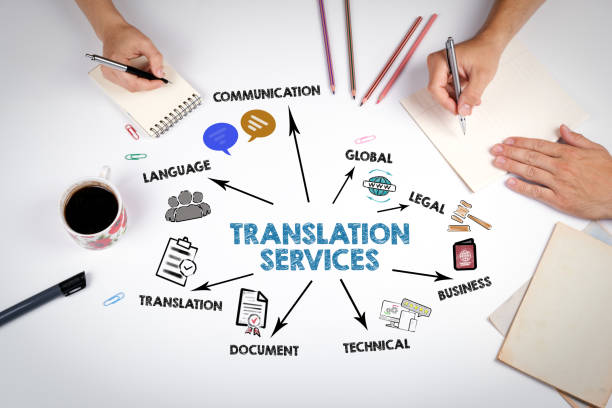
In an increasingly globalized world, the accuracy and legality of translated documents can determine the success of business deals, academic pursuits, and personal affairs. Whether it is a birth certificate, a legal contract, or an academic transcript, the need for precise, reliable, and officially recognized translations has never been more critical. This article explores the essential aspects of certified translation services for documents and certificates, highlighting why professionalism, confidentiality, and adherence to legal standards are paramount.
What Defines Certified Translation?
Certified translation is more than a simple language conversion. It is a formal process that includes:
- A qualified translator with proven expertise in the source and target languages.
- A signed statement attesting to the completeness and accuracy of the translation.
- Compliance with the specific requirements of the receiving authority (e.g., immigration offices, courts, universities).
These elements guarantee that the translated document is treated as an authentic replica of the original, allowing it to be accepted by governmental and institutional bodies worldwide.
Key Benefits of Using Certified Translation Services
Legal Acceptance
Many jurisdictions require a certified translation for official proceedings. A properly certified document eliminates the risk of rejection due to language discrepancies, saving time and money.
Professional Accuracy
Specialized translators possess subject-matter knowledge that ensures terminology is correctly rendered, especially in fields such as law, medicine, and engineering.
Confidentiality and Data Security
Handling sensitive personal or corporate information demands strict confidentiality protocols. Reputable providers implement encrypted file transfers and secure storage to protect client data.
Typical Documents Requiring Certification
- Birth, marriage, and death certificates
- Academic diplomas and transcripts
- Legal contracts and court documents
- Medical records and prescriptions
- Immigration forms and visas
Choosing the Right Provider
When selecting a service, consider the following criteria to ensure the translation meets the required standards:
- Accreditation: Look for translators certified by recognized bodies such as ATA or ISO.
- Industry Experience: Providers with a track record in the specific document type (e.g., legal, medical) are more likely to deliver accurate results.
- Turnaround Time: While speed is important, it should never compromise quality.
- Customer Support: Clear communication channels help resolve any queries during the translation process.
Integrating Certified Translation into Business Processes
For multinational corporations, certified translation becomes a strategic asset. It enables seamless cross-border transactions, supports regulatory compliance, and facilitates employee mobility. Incorporating translation workflows into project management tools ensures that documents are prepared well before deadlines, reducing bottlenecks.
Real-World Applications
Immigration & Visa Submissions
Immigration authorities often require certified translations of passports, birth certificates, and employment letters. A single error can delay visa approval, making accuracy vital.
Academic Credential Evaluation
Universities and credential evaluation agencies rely on certified translations to assess foreign qualifications. Precise translation of grades, course descriptions, and institutional seals is essential for fair evaluation.
Legal Proceedings
Courts accept only documents that have been certified to ensure that all parties have a clear and identical understanding of the evidence presented.
Cost Considerations
Pricing varies based on language pair, document complexity, and required turnaround. While it may be tempting to seek the cheapest option, the long-term costs of rejected or inaccurate translations far outweigh short-term savings. Investing in reputable certified translation services typically results in smoother approvals and fewer administrative hurdles.
Ensuring Quality: Best Practices
- Request a sample translation before committing to large projects.
- Verify the translator’s credentials and area of expertise.
- Confirm that the certification statement meets the specific format required by the receiving authority.
- Maintain a clear chain of custody for original documents and their translations.
Future Trends in Certified Translation
Advancements in AI and machine translation are reshaping the industry, but human oversight remains indispensable for certification. Hybrid workflows, where AI handles the initial draft and certified translators perform post-editing and verification, are emerging as efficient solutions without compromising legal validity.
Conclusion
Certified translation services play an indispensable role in bridging linguistic gaps for official documents and certificates. By adhering to stringent standards, ensuring confidentiality, and leveraging specialized expertise, these services empower individuals and organizations to navigate international requirements confidently. Selecting a qualified provider and understanding the certification process are essential steps toward achieving seamless, legally recognized translations.
For those seeking a reliable partner, exploring reputable certified translation services can provide the assurance needed to meet global documentation demands.
