Expert Conversion Optimization for Results-Driven Marketing
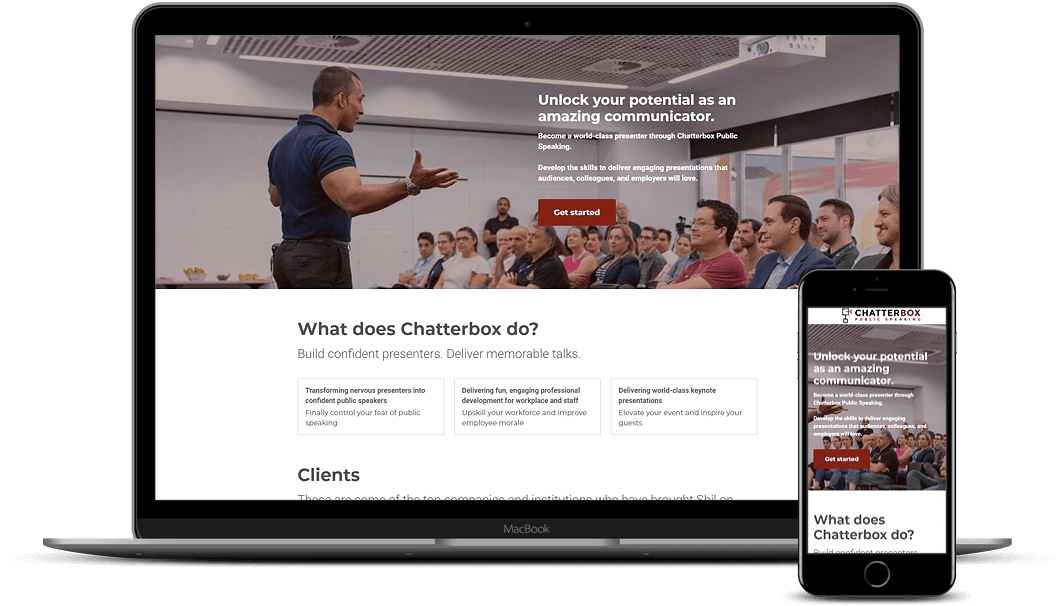
In the fast-paced world of digital marketing, conversion optimization stands out as a pivotal strategy for maximizing the return on investment (ROI). It involves a systematic approach to enhancing the performance of a website or landing page to increase the percentage of visitors who take a desired action, whether that be making a purchase, signing up for a newsletter, or any other meaningful engagement. A results-driven marketing strategy can significantly benefit from expert conversion optimization techniques, ensuring that every aspect of the customer journey is optimized for success.
Understanding Conversion Optimization
Conversion optimization is not just about tweaking design elements; it involves a comprehensive understanding of user behavior and the factors that influence decisions. Key aspects include:
- User Experience (UX): Crafting an intuitive, seamless user journey to reduce friction and improve satisfaction.
- Data Analysis: Utilizing analytics tools to gather insights on user interactions and identify areas for improvement.
- A/B Testing: Conducting experiments to compare different versions of a web page and determine which performs better.
For a deeper dive into conversion optimization strategies, explore further insights here.
Key Strategies for Effective Conversion Optimization
1. Enhancing User Engagement
Engaged users are more likely to convert. Strategies to enhance engagement include:
- Personalization: Tailoring content and offers to individual user preferences and behaviors.
- Interactive Elements: Incorporating features such as quizzes, polls, and live chat to engage users actively.
Discover more about engaging users effectively in this detailed guide.
2. Optimizing Landing Pages
Landing pages play a critical role in conversion rates. Optimizing them involves:
- Clear Call-to-Action (CTA): Ensuring CTAs are prominent, compelling, and aligned with user intent.
- Visual Hierarchy: Structuring content to lead the user’s eye to key information and actions.
For additional strategies on optimizing landing pages, find additional information here.
The Role of Data in Conversion Optimization
Data is the backbone of effective conversion optimization. It provides insights into:
- User Behavior: Understanding how users navigate a site and where they drop off in the conversion funnel.
- Performance Metrics: Tracking key performance indicators (KPIs) such as bounce rates, time on page, and conversion rates.
Read more about leveraging data for optimization here.
Conclusion
Expert conversion optimization is an integral part of a results-driven marketing strategy. By focusing on user experience, leveraging data, and continually experimenting with strategies like A/B testing, businesses can enhance their online presence and significantly improve conversion rates. The continual process of optimization ensures that marketing efforts are aligned with the evolving needs and behaviors of users, ultimately leading to sustained growth and success.
