Maximizing Structural Integrity with Steelwork Thermal Breaks
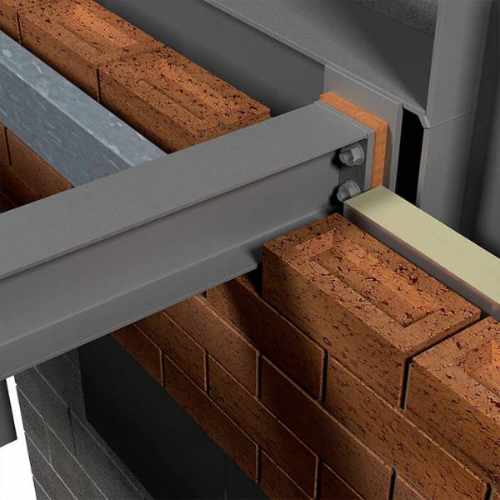
In the realm of construction and engineering, the quest for maximizing structural integrity while maintaining energy efficiency is paramount. As buildings continue to rise higher and stretch further, the materials used in their construction must evolve. Among these materials, steel is a cornerstone due to its strength and versatility. However, when it comes to thermal efficiency, traditional steel structures can pose challenges. The integration of steelwork thermal breaks provides an innovative solution, enhancing both the structural and thermal performance of buildings. This article explores how these thermal breaks can be leveraged to improve structural integrity while addressing energy concerns.
Understanding Steelwork Thermal Breaks
Steelwork thermal breaks are specialized components used to reduce thermal bridging between steel elements in a structure. Thermal bridging occurs when there is a direct connection between the inside and outside surfaces of a building, allowing heat to flow through these connections.
- They are usually made from high-strength, low-conductivity materials.
- These components are installed between steel beams, columns, or any other steel-to-steel connections.
- Their primary function is to reduce heat transfer, thereby improving the building’s overall energy efficiency.
For comprehensive insights, explore more about steel thermal break solutions tailored for various structural applications.
Enhancing Structural Integrity
Reducing Thermal Bridging
Thermal bridging can significantly impact a building’s energy performance, leading to increased energy costs and reduced occupant comfort. By incorporating steel to steel thermal break systems, engineers can mitigate these effects.
- Minimized heat flow through steel connections helps maintain internal temperatures.
- Reducing thermal bridging contributes to a more consistent and comfortable indoor environment.
- Enhanced insulation properties result in lower heating and cooling requirements.
Improving Load Bearing Capacity
In addition to thermal benefits, steelwork thermal breaks contribute to the structural integrity of a building.
- They are designed to handle high loads, ensuring that structural connections remain robust.
- These breaks help prevent condensation-related issues which can lead to corrosion and compromise the strength of the steel.
For further details on how these components support structural integrity, consider exploring structural steel thermal break technology.
Applications and Benefits
Steelwork thermal breaks are versatile and can be used in various applications across different types of buildings.
- Commercial and industrial buildings benefit from reduced energy consumption and improved indoor comfort.
- Residential constructions gain enhanced energy efficiency and lower utility bills.
- Critical in cold climates where heat retention is essential and in hot climates for minimizing heat ingress.
The adoption of steelwork thermal break systems aligns with sustainable building practices, contributing to green building certifications and energy efficiency standards.
Conclusion
Maximizing structural integrity and energy efficiency in modern construction requires innovative solutions such as steelwork thermal breaks. These components not only reduce thermal bridging but also bolster the load-bearing capabilities of steel structures, ensuring durability and comfort. As the construction industry moves towards more sustainable practices, integrating such technologies becomes increasingly vital. By understanding and implementing these advanced materials, architects and engineers can design buildings that are not only strong and resilient but also energy-efficient and environmentally friendly.
