Master the Skies: Your Guide to Private Pilot Courses
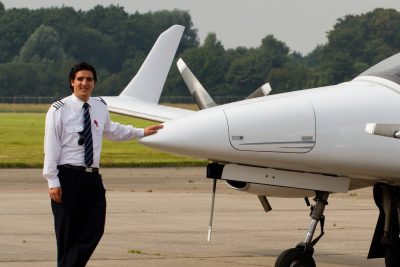
Embarking on the journey to become a private pilot is both exciting and challenging. With countless destinations awaiting exploration from above, learning to fly opens up a world of opportunities. However, mastering the skies requires dedication, the right training program, and a comprehensive understanding of aviation fundamentals. This guide provides insights into navigating private pilot courses, ensuring aspiring aviators are well-prepared to take flight.
Understanding Private Pilot Certification
Private Pilot Certification is the first significant milestone for aviation enthusiasts. It allows pilots to fly solo or with passengers for non-commercial purposes. Key aspects include:
- Eligibility Requirements: Candidates must be at least 17 years old and fluent in English.
- Medical Certification: A third-class medical certificate is required to ensure physical and mental fitness.
- Theoretical Knowledge: Subjects such as aerodynamics, navigation, weather patterns, and aviation regulations are pivotal.
Explore advanced guides and tips through comprehensive resources here.
Choosing the Right Flight School
Accreditation and Reputation
Selecting an accredited flight school with a strong reputation ensures quality training and recognition in the aviation industry. A few points to consider are:
- Researching school accreditations and affiliations.
- Reading reviews from former students.
- Evaluating the school”?s history and industry partnerships.
Instructor Expertise
Qualified instructors with extensive flying experience can provide invaluable insights and mentorship. Important factors include:
- Instructor credentials and track records.
- Teaching methods and approachability.
- Availability for one-on-one guidance.
Learn about tailored solutions for flight training here.
Course Structure and Content
Understanding the structure of a private pilot course helps in setting clear expectations and goals. Typical course components include:
- Ground School: Covers theoretical knowledge required for safe flying.
- Flight Training: Practical in-flight training sessions with certified instructors.
- Examinations: Written and practical tests to assess competence.
Discover expert strategies for effective learning here.
The Path to Mastery
Attaining proficiency as a private pilot involves continuous learning and practice. To master the skies:
- Regularly update knowledge with new aviation regulations and technologies.
- Participate in advanced flying courses to expand skill sets.
- Engage with aviation communities for networking and knowledge sharing.
Find out more about this approach to continuous development here.
Conclusion
Becoming a private pilot is a rewarding endeavor that offers the freedom to explore the world from a unique perspective. By choosing the right training program, investing in quality instruction, and committing to lifelong learning, aspiring pilots can achieve their aviation dreams. Whether flying for leisure or as a stepping stone to a professional aviation career, mastering the skies begins with a solid foundation in private pilot courses.
